T006 // The End of Satellite Ground Stations?
Plus Tech Trends on Earth Shaping Our Future in Space and Inspiration from the World of AI
 FIG. 01 · T006 COVERREC ●TRANSMISSION T006
#LAUNCHPADIn today’s edition
G’day — and welcome to the 130 Trailblazers who have joined us since last time!
We’re Trailblazers, the Space Newsletter that believes in strong connections, both on Earth and beyond, where satellite ground stations are not just a growing market but the bedrock of our sky-high data streams.
- #EVENTHORIZONGround Stations: Unsung Heroes Powering Our Space Economy
- #STARGRAPHSatellite Ground Station Market
- #PRODUCTIVITY5 Resources to Boost Your Workflows
- #INTHELOOPTech Trends on Earth Shaping Our Future in Space
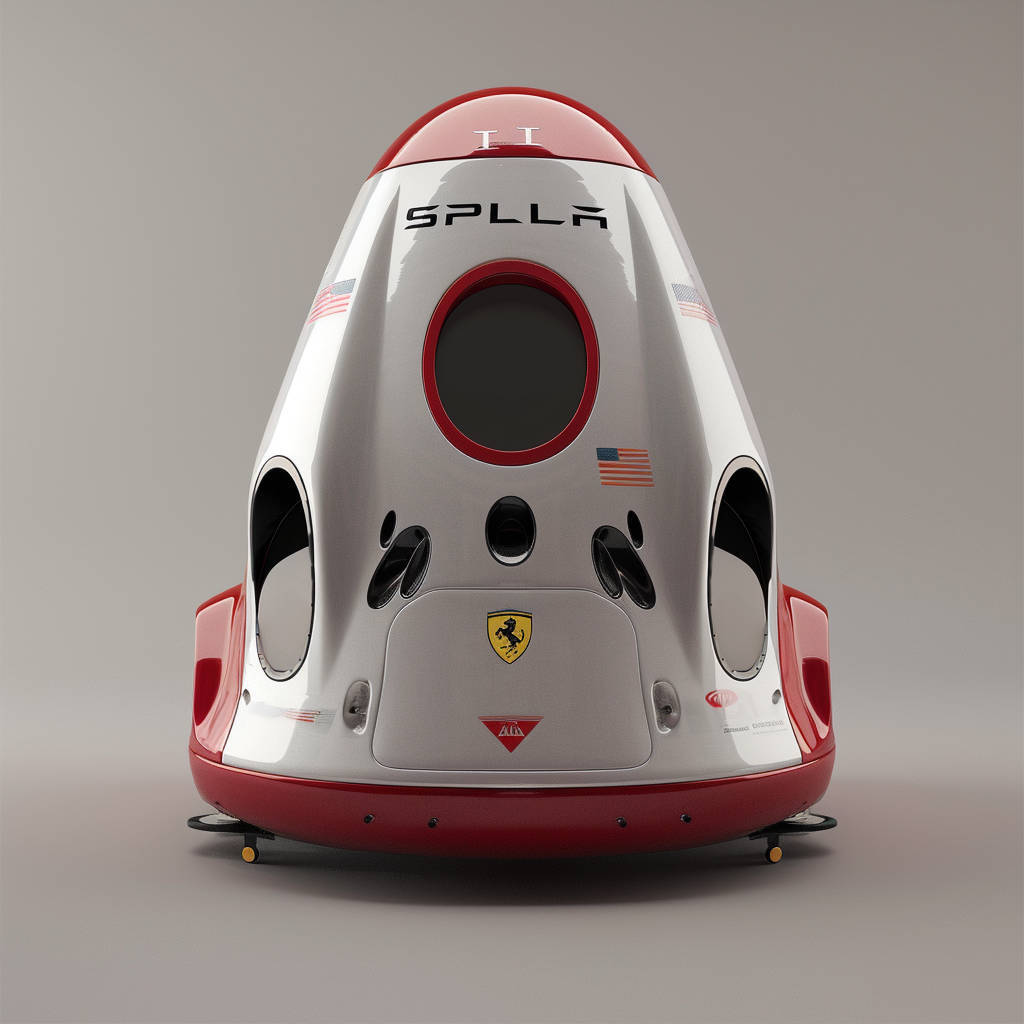
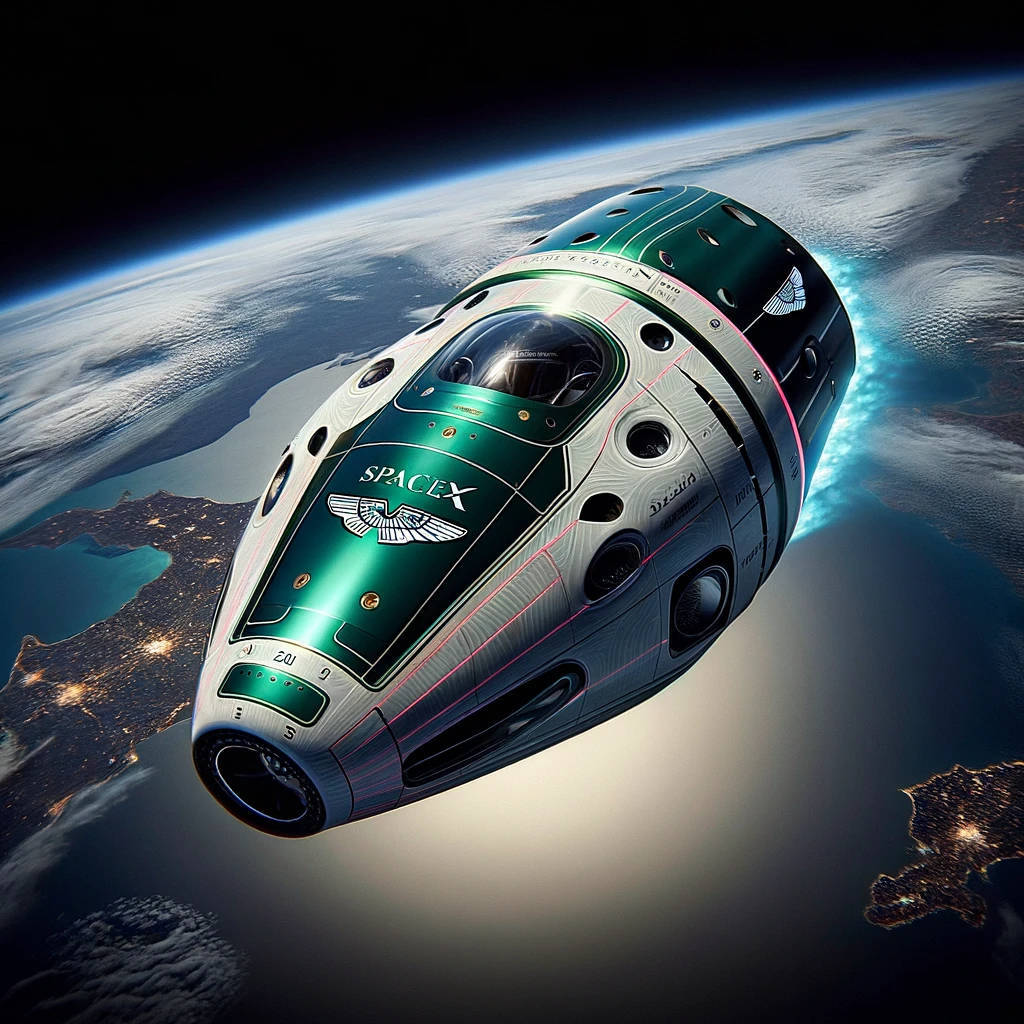
- #GHOSTINTHEMACHINEDragon Capsule Designed by F1 Teams
#TOGETHERWITHSpace Pros: Achieve More in 2024 with Goal Setting!
 SPONSOR TRANSMISSION · NOTION
Sponsored · NOTION
With Notion, it’s never been easier to set goals… and follow through. Whether you’re kicking off a new gym routine, organizing a family trip, or tracking your space business goals, Notion makes following through on your plans easier than ever. Simply choose a template, add friends and teammates, and start making progress on your 2024 resolutions.
Archived sponsor message from 20 FEB 2024.
#NEWSSpace Economy Bites & Snaps
Star Tech
Bridgit Mendler, known for her Disney stardom, launches Northwood Space, a ground station startup, aiming to revolutionize how satellite data is transmitted, backed by heavyweight VCs like Andreessen Horowitz. Deploying ground infrastructure globally is incredibly challenging. See below for more.
EU Space Drama
The European Union's ambitious IRIS2 satellite broadband plan faces early turbulence, grappling with internal consortium disputes and a looming budgetary clash that could escalate costs to €25 billion. This initiative aims to rivals Starlink and Kuiper but is already encountering significant financial and political headwinds.
- SNAP · 01Airbus Challenges: Airbus incurs $645 million charge for 2023 due to OneSat and satellite project issues.
- SNAP · 02Indonesian Milestone: Telkomsat-113BT satellite set for launch, marking a leap in Indonesia's digital telecommunications via SpaceX's Falcon 9.
- SNAP · 03Quantum Unleashed: SpeQtral launches TarQis, a mobile station enhancing secure satellite communication with Quantum Key Distribution.
- SNAP · 04Star Trackers: Millennium (Boeing) and Voyager Space partner on uSTAR-250 Star Trackers for improved small satellite navigation accuracy.
- SNAP · 05Artemis: Uruguay joins Artemis Accords, enhancing space cooperation and exploration with 36th signatory status.
#MARKETWATCHInvesting in the Universe
| FUND | PRICE | CHANGE |
|---|---|---|
| Procure Space ETF (UFO) | $17.29 | ▼ -0.1% |
| RK Space Exploration and Innovation (ARKX) | $14.83 | ▼ -0.6% |
| S&P Kensho Final Frontiers (ROKT) | $43.74 | ▼ -0.2% |
#EVENTHORIZONTrends in Space, Tech, and AI
Ground Stations: The Unsung Heroes Powering Our Space Economy
01The Vital Role of Ground Stations
In an era with unprecedented satellite deployments, demand for robust space data infrastructure has never been greater. Innovations like Optical Inter-Satellite Links (ISLs) using lasers have captured headlines, promising faster and more reliable data transmission within constellations. However, amidst this advancement, the critical role of ground stations cannot be overstated.
While ISLs represent a technological leap in space communication, ground stations remain the backbone of satellite networks. These stations serve as vital hubs for data downlink and command services, ensuring the seamless flow of information between satellites and ground operation. Despite the allure of ISLs, the reliance on ground stations for essential functions such as data downlink and command services persist. This emphasizes the need for improved and robust ground station infrastructures.
02Technological Advancements in Ground Systems
Moreover, the emergence of Ground Stations as a Service (GSaaS) presents a compelling alternative to traditional models. GSaaS providers leverage technology to offer flexible, scalable, and cost-effective services. This enables satellite operators to access essential infrastructure without the burdensome upfront investment. GSaaS not only addresses the need for infrastructure but also mitigates deployment and maintenance challenges.
Additionally, innovations in ground system technology, particularly in RF communication and phased-array antennas, offer promising advancements. I believe these will provide more efficient, flexible, and faster satellite tracking capabilities, essential for the growing number of LEO satellites. Continued RF communication development is expected to lead to more compact, power-efficient, and higher bandwidth systems. This will accommodate escalating satellite network data demands.
Regarding the geographical distribution of ground stations, I anticipate a shift towards lower latitude regions. This will provide better coverage for polar LEO satellites. Developing nations and remote areas could become strategic locations, driven by coverage needs, ease of access, sustainability, and geopolitical stability considerations.
03Challenges and Considerations
Optical ISLs reduce the reliance on ground stations for intra-constellation communication but increase the importance of their strategic placement. Ground stations will still be vital for data downlink and command services, necessitating upgrades to handle increased data throughput. Despite potential reductions in ground stations needed for continuous coverage, regulatory hurdles and national security concerns may require domestic presence (e.g., lawful intercept).
Consolidation of ground stations poses challenges such as ensuring uninterrupted service and regulatory harmonization. In my opinion, developing multi-purpose ground stations capable of communicating with different satellite types and frequencies could address these. Regulatory harmonization across countries and standardization of communication protocols will be crucial to facilitate global consolidation.
Looking ahead, AI and machine learning will play a big role in the management and operation of future ground stations. Dynamic resource allocation, predictive maintenance, anomaly detection, and security enhancement are some areas where AI can significantly improve efficiency and reliability.
Yet, deploying and maintaining infrastructure, whether traditional or service models, present a myriad of challenges. Licensing, landing rights, foreign investment restrictions, and foreign ownership issues often pose significant hurdles. Moreover, geopolitical tensions and security concerns complicate establishing ground stations, with some countries imposing stringent regulations on establishment and operations.
04Future Outlook
In conclusion, integrating ground stations and optical ISLs will be crucial for meeting growing satellite data and communication demands. Ground Stations as a Service, coupled with technological innovations and strategic placement, will play a central role in shaping the future. This will enable broader participation in the space economy.
Recognizing the dual imperative will be key: embracing innovation while acknowledging the indispensable role of ground station infrastructures. I believe it’s important to shed light on the enduring role of ground stations amidst technological advancements like ISLs and the emergence of innovative models like GSaaS. And it’s equally important to anticipate on the obstacles and considerations involved in deploying these critical infrastructures to support the burgeoning space economy. A nuanced exploration of these themes leads to better understanding the intricate global dynamics shaping the future of satellite communication and infrastructure deployment.
As we look to the future of ground stations powering the space economy, complexities remain in deploying infrastructure globally. If your organization is exploring ground station deployment strategies, particularly in complex regions like Asia-Pacific, we invite you to reach out. At Orbital Reach, we empower organizations to navigate the space landscape and infrastructure deployment through tailored insights. We are ready to discuss your ground station plans and provide guidance for your specific needs. Contact us today to take the first step towards an optimized ground station strategy powering your success in space.
#STARGRAPHSatellite Ground Station Market
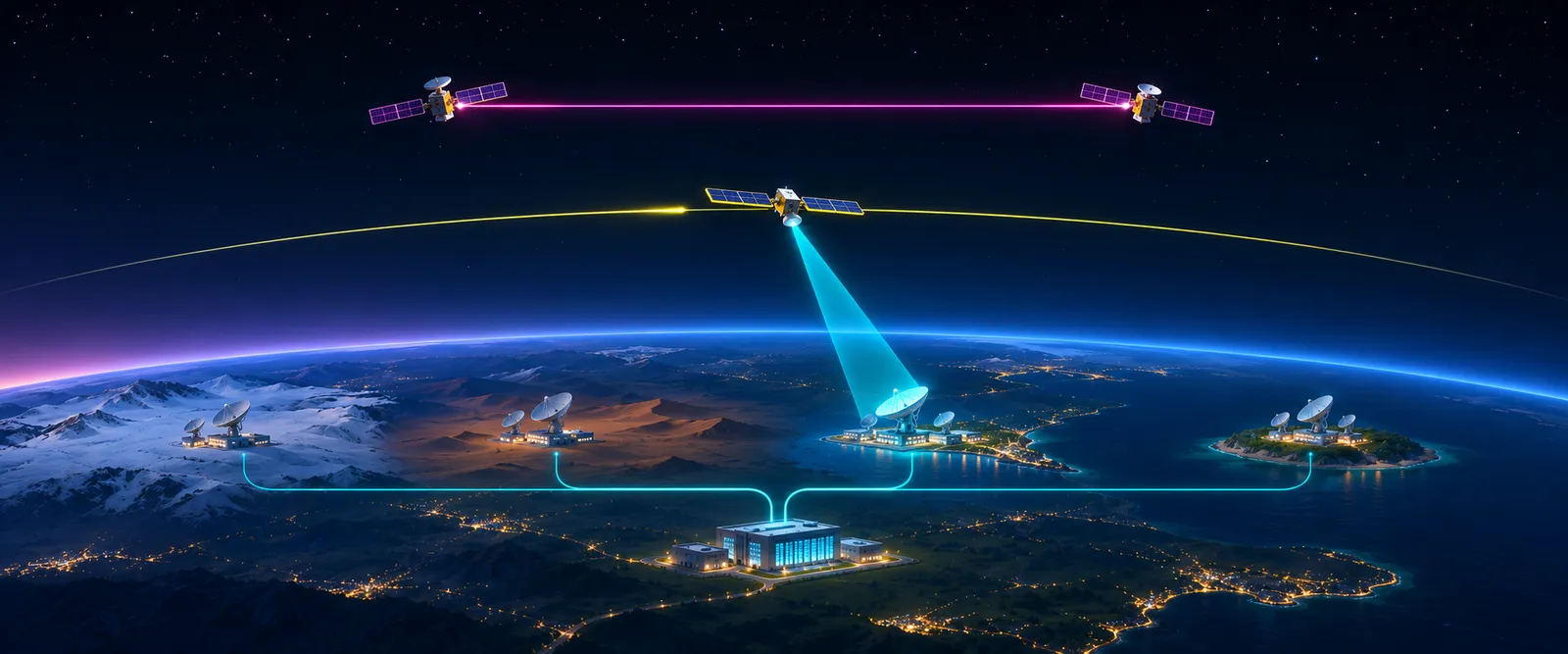 Laser link satellite to satelliteSatellite on its passDownlink to the station in viewGround stations shared, rented per passData centre to the operator
| Figure | Period | Value |
|---|---|---|
| Market size | 2025 | $62.89bn |
| Market size | 2026 | $69.06bn |
| Market forecast | 2034 | $169.88bn |
| Annual growth (CAGR) | 2026-2034 | 11.91% |
| Hardware share of the market | 2025 | 51.51% |
| Fastest-growing offering | 2026-2034 | Ground station as a service |
| North America, the largest region | 2025 | $24.35bn (38.72%) |
| Europe | 2025 | $12.36bn (19.66%) |
The market for satellite ground stations was valued at about USD 63 billion in 2025, with expectations to grow at around 12% CAGR from 2026 to 2034. This growth is driven by the rising need for satellite communications in different sectors, including government, military, media, and telecommunications. Additionally, the demand for high-speed internet and satellite-based broadband services is propelling market expansion.
#PRODUCTIVITY5 Resources to Boost Your Workflows
- TOOL · 01Avoma 3.0 → Human-like meeting notes generated 100% by AI.
- TOOL · 02Hello History → An AI powered app that lets you have life-like conversations with historical figures.
- TOOL · 03NotionPROMOTED → A collaboration platform that allows you to create, organize, and share various types of content, such as wikis, projects, notes, and documents.
- TOOL · 04The Space Economy: From Science to Market → Explores the space economy's activities, resource use, and human benefits, targeting scholars, researchers, and the space community.
- TOOL · 05The Space Economy Book → A venture capitalist’s guide for stakeholders in the space economy, detailing space-based technologies' market impacts and available opportunities.
#INTHELOOPTech Trends on Earth Shaping Our Future in Space
Green Tech Breakthrough
UK's Newest Vertical Farm Promises Year-Round Sustainable Farming Evolution.
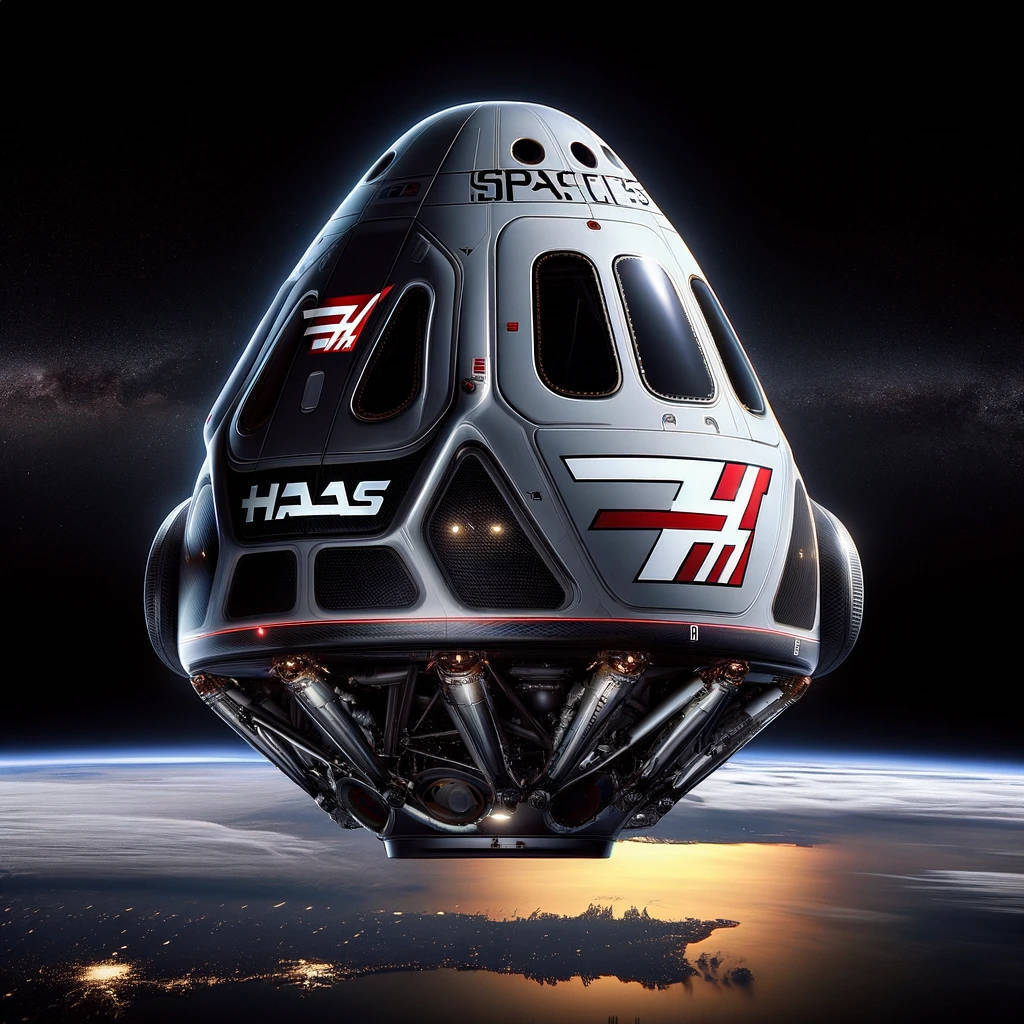
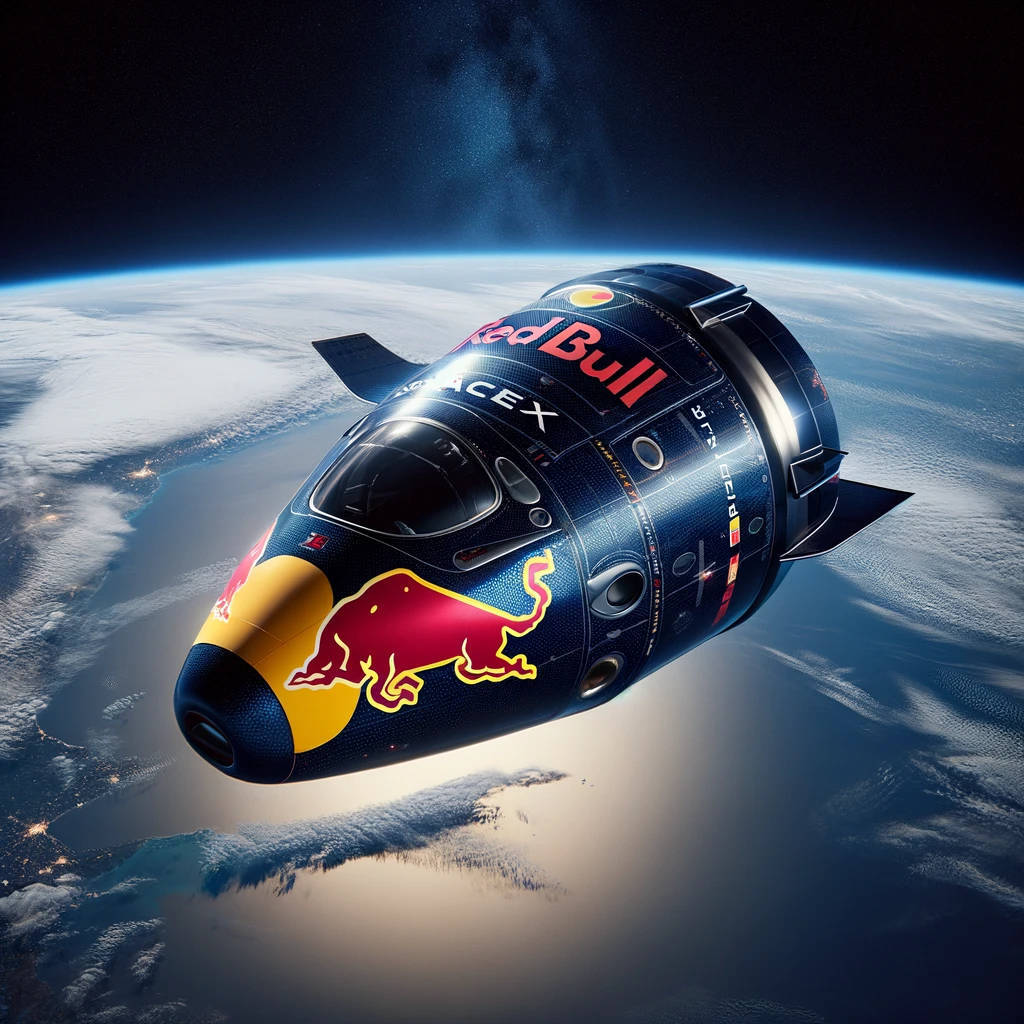
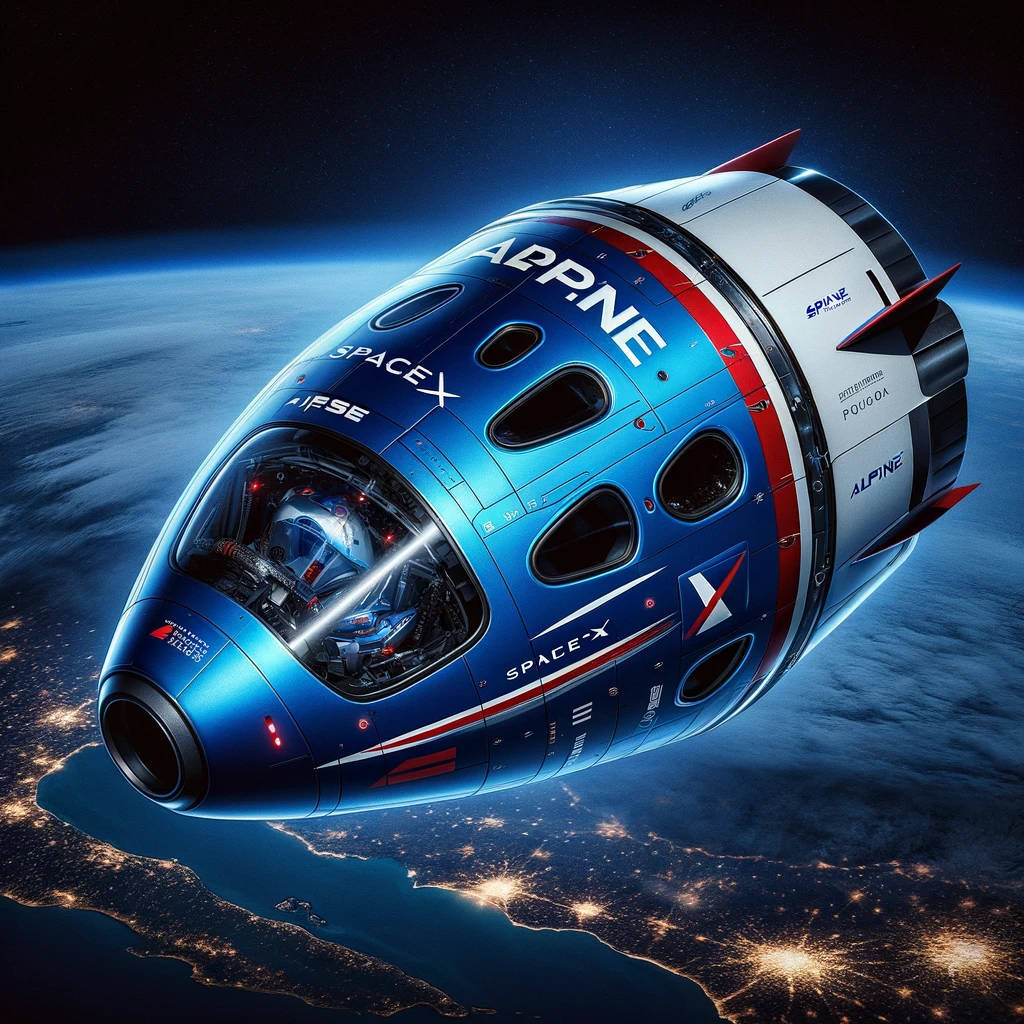
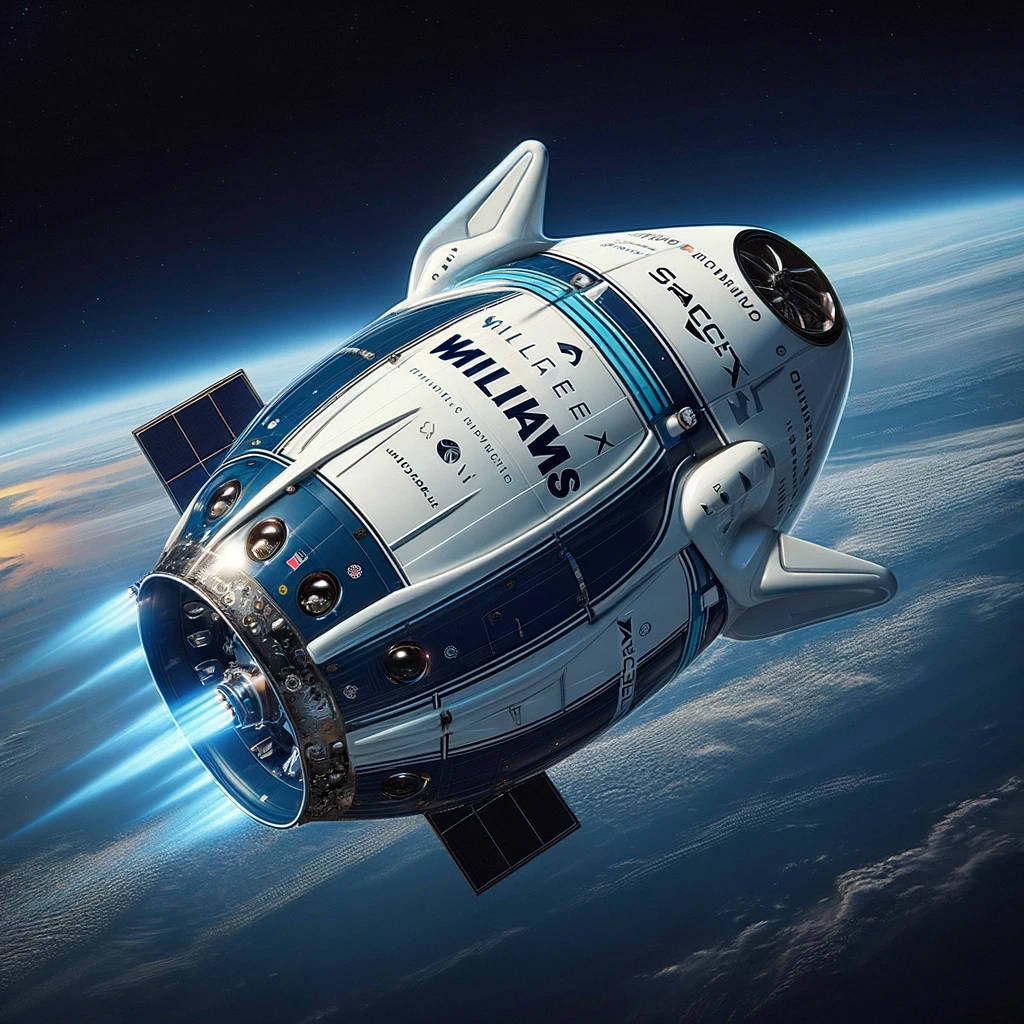
#GHOSTINTHEMACHINESpaceX Dragon Capsule Designed by F1 Teams
 01
 02
 03
 04
 05
 06
 07
 08
 09
 10
EOFUntil Next Time
#MISSIONDEBRIEFGetting Better Together
I value your opinion, so if you have specific advice or anything interesting you’d like to share, please let me know on LinkedIn.
Thank you for reading and see you at the next orbit!
P.S. New here? Get the next issue in your inbox: [ subscribe --free ]