T012 // How Space Impacts Farming on Earth
Plus Japan's $6.7B investment in space and recent developments in space governance, regulations & policy
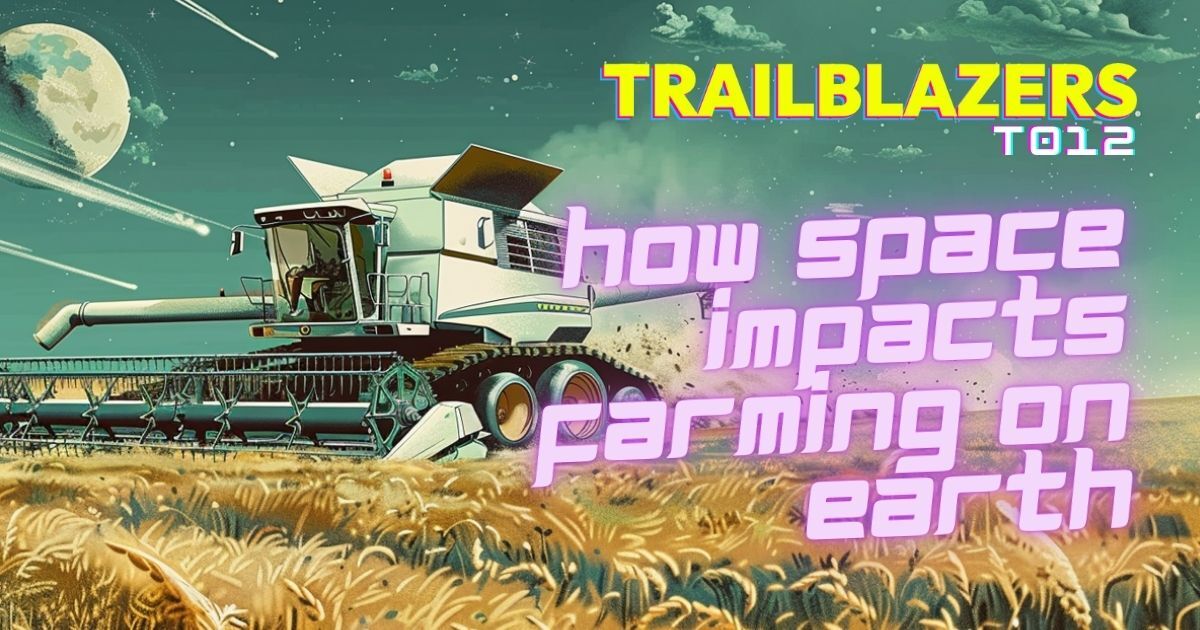 FIG. 01 · T012 COVERREC ●TRANSMISSION T012
#LAUNCHPADIn today’s edition
G’day Trailblazers!
We’re Trailblazers, the Space Newsletter that's over the moon about Japan's astronomical investment in the space industry. Today is also our first “Thursday Edition” so it’s slightly longer. We would love your feedback on the format, so let us know what you think below:
- #SPACEFORALLHow Space AgTech impacts Earth's Farming
- #STARGRAPHNumber of Space Arrangements 2007-2021
- #PRODUCTIVITY5 Resources to Boost Your Workflows
- #SPACEREGSDevelopments in space governance, regulations & policy
- #INTHELOOPTech Trends on Earth Shaping Our Future in Space
- #GHOSTINTHEMACHINESpace Exploration Revisited by Hayao Miyazaki
#TOGETHERWITHManage Any Space Project, Your Way
 SPONSOR TRANSMISSION · monday.com
Sponsored · monday.com
Elevate your space projects with monday.com! 🚀
Archived sponsor message from 14 MAR 2024.
#NEWSSpace Economy Bites & Snaps
Japan's Space Boost
Japan announces a $6.7 billion Space Strategic Fund to enhance its space industry, aiming to improve innovation, autonomy, and international competitiveness over the next decade
Business Model
Rocket Lab sets its sights on matching SpaceX's integrated business model, aiming to become a fully in-house manufacturer of rockets and satellites for enhanced competitiveness and innovation.
- SNAP · 01Explosion: Japanese startup's rocket fails spectacularly, highlighting the challenges of entering space economy.
- SNAP · 02Lunar Collaboration: Russia and China to establish a lunar base powered by an automated nuclear reactor by 2035, aiming for autonomous construction.
- SNAP · 03Space Plants: Researchers develop stretchable sensors for plant growth in space, vital for long-term astronaut missions.
- SNAP · 04Orbital Milestone: Exotrail's successful satellite delivery with Spacevan OTV marks a significant leap for space logistics.
- SNAP · 05Integration: Omnispace and MTN team up to blend satellite and mobile networks, enhancing connectivity across Africa with IoT and 5G services.
Plus, Starship’s 3rd launch was a success! 🚀 Watch the replay here:
#REALLY?Who was the first Japanese astronaut?
Toyohiro Akiyama became the first Japanese national to travel to space in December 1990, not as part of an official space program but through a commercial arrangement.
His mission aboard the Soyuz TM-11 to the Mir space station was sponsored by the Tokyo Broadcasting System, making him also the first journalist in space. While Akiyama was the first Japanese citizen in space, the first professional Japanese astronaut was Mamoru Mohri, who flew on the U.S. Space Shuttle in 1992.
#MARKETWATCHInvesting in the Universe
| FUND | PRICE | CHANGE |
|---|---|---|
| Procure Space ETF (UFO) | $17.15 | ▼ -0.5% |
| RK Space Exploration and Innovation (ARKX) | $14.90 | ▼ -0.5% |
| S&P Kensho Final Frontiers (ROKT) | $44.30 | ▲ +0.3% |
#SPACEFORALLThe Impact of Space AgTech on Earth's Farming Practices
The integration of space technology into agriculture, known as Space AgTech, is transforming farming practices on Earth. Innovations developed for space missions are being adapted to improve agricultural productivity, sustainability, and resilience against climate change. This transformation is driven by the need to feed a growing global population and to address the environmental challenges facing traditional farming methods.
Space AgTech encompasses a variety of technologies and practices that have been adapted from space exploration to improve farming on Earth:
Vertical Farming and LED Lighting: Initially developed to grow food in space stations, vertical farming stacks crops in layers under controlled conditions, using LED lighting to simulate sunlight. This method maximizes space efficiency and can be implemented in urban areas, reducing the need for transportation and associated emissions.
Seeds Development: Research in space has led to the development of more resilient seed varieties that can withstand harsh conditions on Earth, such as droughts and pests. This is crucial for ensuring food security as climate change impacts become more pronounced.
Sustainable Practices: NASA's Environmental Control and Life Support System, designed for recycling water and air in space missions, inspires sustainable agricultural practices on Earth, contributing to broader sustainability initiatives.
Remote Sensing and Earth Observation: Satellites monitor agricultural lands, providing data on soil moisture, crop health, and weather patterns. This information helps farmers make informed decisions, optimizing resource use and increasing crop yields.
Precision Agriculture: Space technology enables precision agriculture, where farmers can apply water, fertilizers, and pesticides more efficiently. This reduces waste, minimizes environmental impact, and lowers costs.
Controlled Environment Agriculture (CEA): Research by NASA on growing food in space has led to advancements in CEA, including hydroponics and aquaponics. These soilless farming methods use less water and land, offering solutions for food production in arid regions and urban settings.
The application of Space AgTech to farming on Earth is important for several reasons:
Sustainability: By making agriculture more efficient and less resource-intensive, space AgTech contributes to the sustainability of food production. This is essential for meeting the needs of a growing population while preserving the planet.
Climate Resilience: Developing crops that are more resistant to climate change and optimizing resource use help ensure food security in the face of increasing environmental challenges.
Innovation and Economic Growth: The Space AgTech sector is a source of innovation, creating new opportunities for economic growth and employment in both the space and agricultural industries.
Global Food Security: By increasing agricultural productivity and resilience, Space AgTech plays a substantial role in addressing global food security challenges, ensuring that people everywhere have access to sufficient, safe, and nutritious food.
Space AgTech is not merely about applying space-age technology to farming; it allows us to reimagine how we grow food on Earth to create a more sustainable, resilient, and secure food system for the future.
#STARGRAPHNumber of Space Arrangements 2007-2021 (Global)
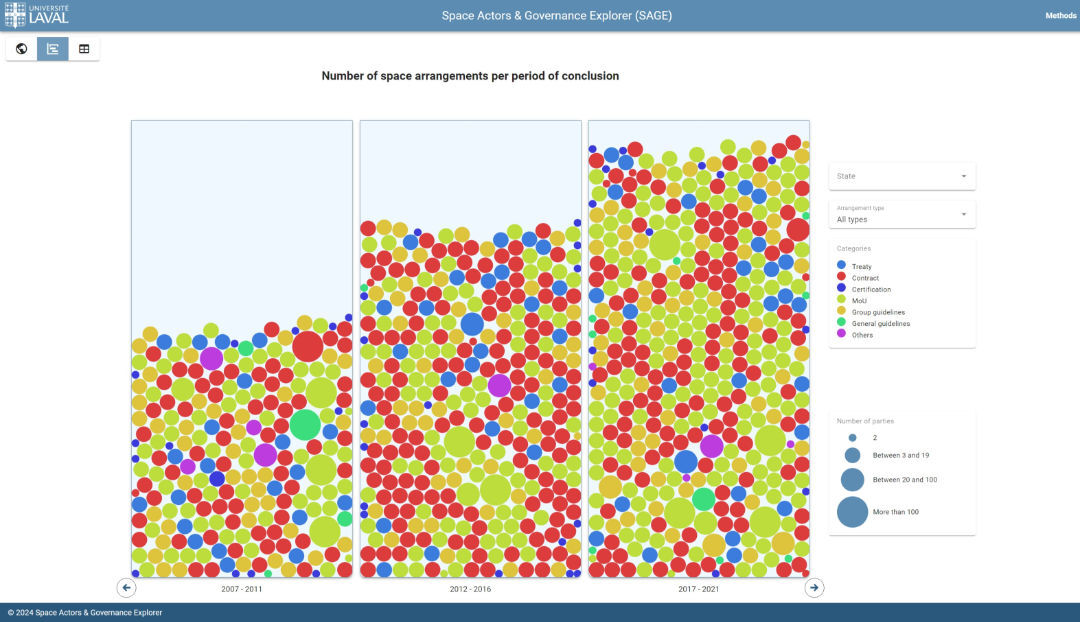
The Space Actors and Governance Explorer (SAGE) is a platform created by Laval University offering information about space agencies, companies in the space sector, and the agreements connecting them.
#PRODUCTIVITY5 Resources to Boost Your Workflows
- TOOL · 01Ema → A trustworthy AI employee that automates complex workflows, boosts productivity, and ensures data safety in your organization.
- TOOL · 02Propel → Create the perfect logo you need to launch your business in 5 minutes or less. No design experience needed.
- TOOL · 03Monday.comPROMOTED → A collaboration platform that allows teams to focus on executing tasks, projects, and processes efficiently and achieve shared goals at scale.
- TOOL · 04New Space: Access to Space - BasicsPROMOTED → Introduces space access basics, covering mission analysis, launcher and rocket engine design.
- TOOL · 05Pathway to SpacePROMOTED → Learn about the cosmos and your place in it, the ways we explore space, and how people and politics play a role in what we learn.
#SPACEREGSDevelopments in space governance, regulations & policy
Urgent Review of Space Law
An article from Nature discusses the need for an urgent relook at the legal compact that governs space exploration. It highlights the challenges posed by the increasing involvement of private firms in space activities and the potential for a 'gold rush' in outer space. The article calls for future dispute-resolution mechanisms to balance inclusivity and justice and to consider space commercialization as a national security concern for many states.
FAA Budget Increase for Commercial Space Office
The Federal Aviation Administration (FAA) is requesting a significant budget increase for its Office of Commercial Space Transportation (AST) to keep up with the growing demand for launch services and to prepare for new regulatory responsibilities. The proposed budget includes funding for hiring additional staff for launch and reentry licensing, oversight activities, and development of regulations. The FAA is also looking into potential changes to streamlined launch regulations known as Part 450.
Orbital Debris & Regulation
The Office of Space Commerce is reassessing debris mitigation rules for satellite remote sensing, aiming to close loopholes and enhance space sustainability, amid changes in communication technologies and licensing.
SpaceX Bandwidth
The FCC has granted SpaceX's Starlink permission to use E-band frequencies, quadrupling the network's capacity and marking a significant leap in satellite internet technology.
AST SpaceMobile
updates its constellation with the ITU and FCC, enhancing global satellite communications and demonstrating strategic alignment with U.S. regulatory leadership and innovation.
Starlink Geolocation
The ITU board disputes claims from the US and Norway that SpaceX can’t geolocate its Starlink terminals in Iran, amid a controversy that sees Iran pressuring regulators to halt Starlink operations in the country.
SpaceX vs. Kuiper
In a high-stakes space race, Amazon's Project Kuiper clashes with SpaceX over satellite deployment plans, highlighting the intensifying battle for orbital real estate and regulatory favor.
#INTHELOOPTech Trends on Earth Shaping Our Future in Space
AI Regulation
The EU passes groundbreaking law to classify and mitigate AI risks, setting a global precedent.
Cybersecurity AI
Microsoft's AI Copilot for Security to revolutionize cybersecurity with a $4/hr pay-as-you-go model.
SEC Rule
New climate disclosure regulation sparks bipartisan legal battles, impacting transparency and investments.
Medical Innovation
UK surgeons use Apple Vision Pro in spinal surgery, showcasing AR's potential in healthcare.
Bitcoin Surge
Bitcoin hits record high, surpassing $72,000 after regulatory nods, hinting at more to come.
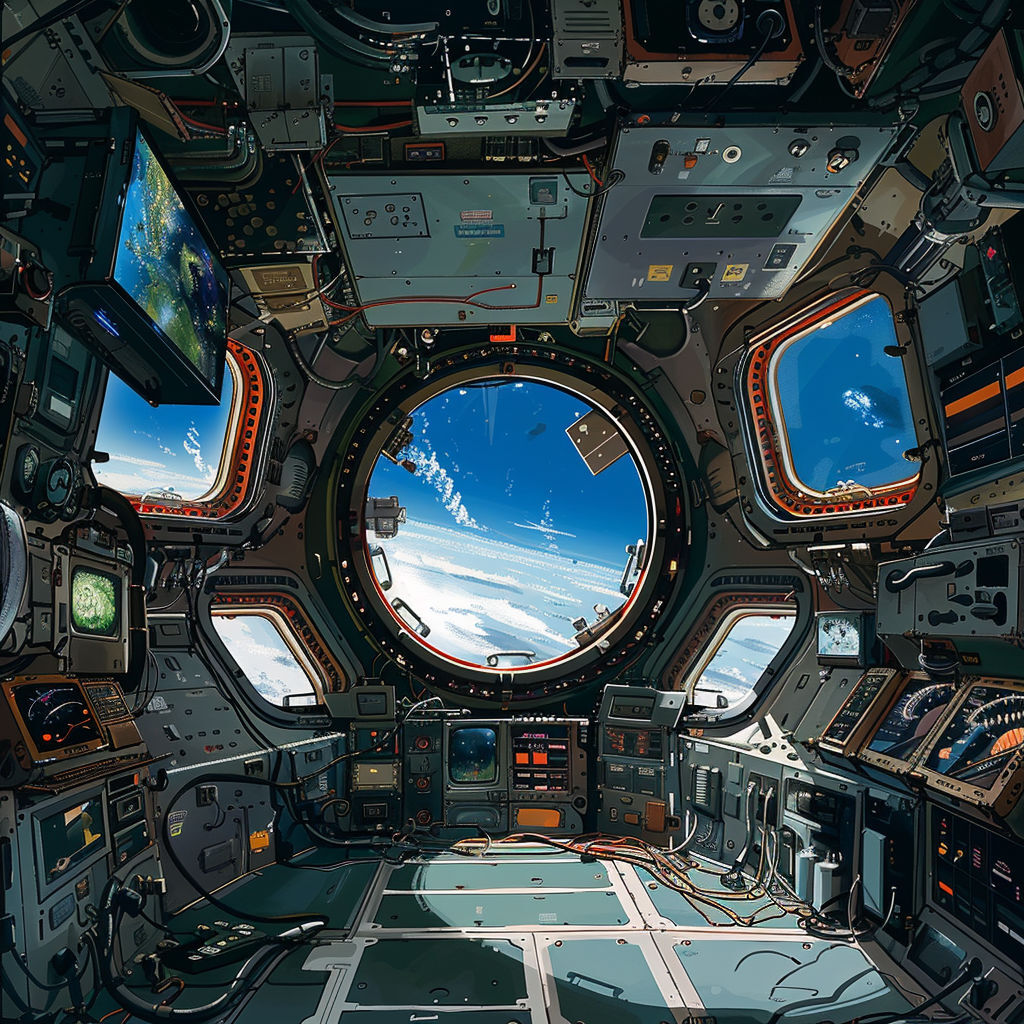
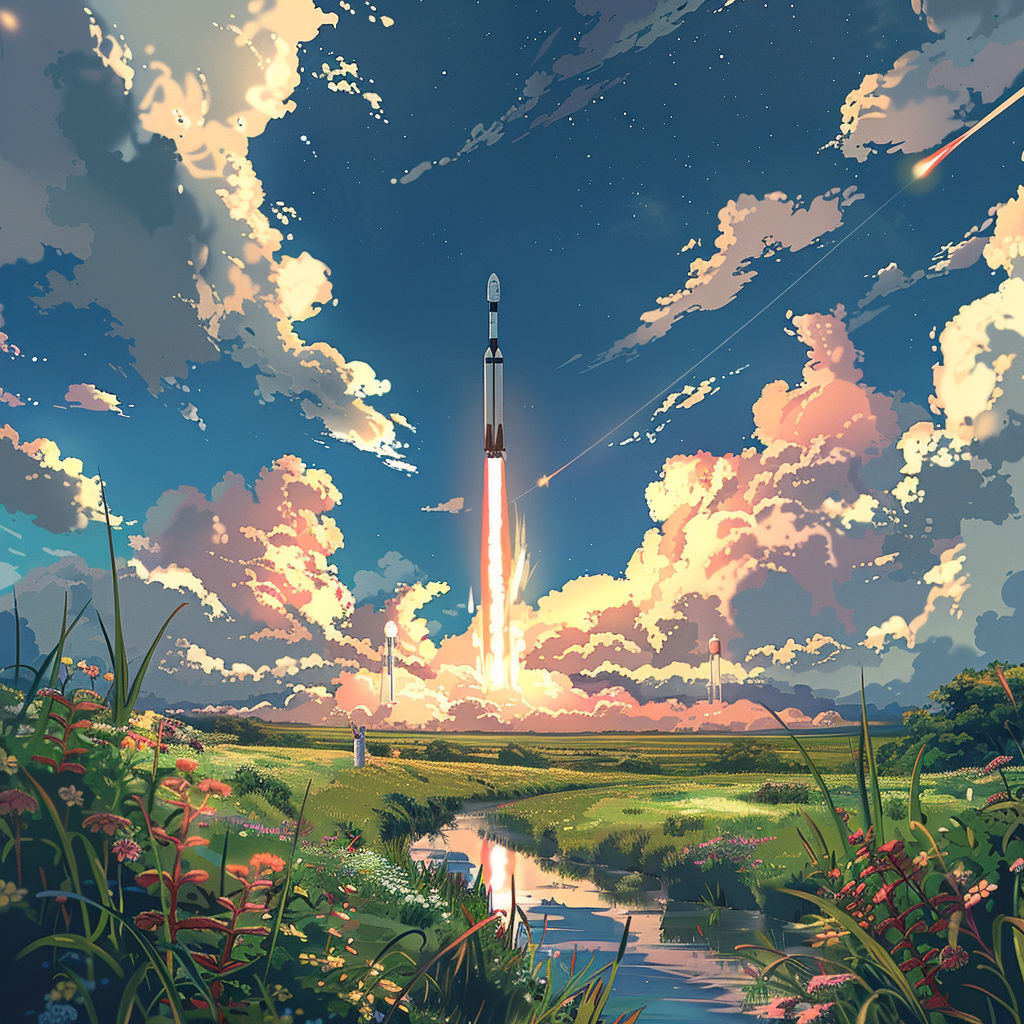
#GHOSTINTHEMACHINESpace Exploration Revisited by Hayao Miyazaki
 01
 02
 03
 04
EOFUntil Next Time
#MISSIONDEBRIEFGetting Better Together
I value your opinion, so if you have specific advice or anything interesting you’d like to share, please let me know on LinkedIn.
Thank you for reading and see you at the next orbit!
P.S. New here? Get the next issue in your inbox: [ subscribe --free ]