T023 // Out to Space or Down to Earth
Plus China plants the flag on the far side of the Moon, the latest investments in the Space Economy, who leads the robot race, and peaceful space meditation.
 FIG. 01 · T023 COVERREC ●TRANSMISSION T023
#LAUNCHPADIn today’s edition
G’day Trailblazers!
We’re Trailblazers, the Space Newsletter that knows about the cost-effectiveness of space missions and how to stretch a dollar across the cosmos, proving that even in space, you can get more bang for your buck!
- #BEYONDTHEHYPEOut to Space or Down to Earth
- #STARGRAPHWho Leads the Robot Race?
- #PRODUCTIVITY5 Resources to Boost Your Workflows
- #DEALFLOWThe Latest Investments in the Space Economy
- #OUTOFTHISWORLDAI as the Great Filter: Hypothesis on the Absence of Alien Civilizations
- #GHOSTINTHEMACHINESpace Peace Meditation
#TOGETHERWITHTake your space career from if, to when, to how
 SPONSOR TRANSMISSION · COURSERA
Sponsored · COURSERA
Whether you're looking to start a new career in the space industry or advance in your current field, Coursera Plus offers a wide range of programs in space and high-growth fields such as cybersecurity, data analytics, AI and more.
Archived sponsor message from 06 JUN 2024.
#NEWSSpace Economy Bites & Snaps
Planting the Flag
China has successfully planted its national flag on the Moon’s far side, marking a significant milestone in its space program and showcasing its growing prowess in lunar exploration.
Asia Needs LEO
Asian satellite operators like SkyPerfect JSAT and AsiaSat are exploring partnerships with low Earth orbit (LEO) satellite providers to offset declining revenues from traditional geostationary services and enhance their service offerings.
- SNAP · 01Starliner: Boeing's Starliner finally launches astronauts after years of setbacks, boosting U.S. space independence.
- SNAP · 02Green Light: SpaceX’s Starship secures FAA license for Thursday’s test flight, key to future Mars missions .
- SNAP · 03Moon Town: Lunar startup Ethos emerges to build Moon infrastructure, enhancing space economy with local resources.
- SNAP · 04Debris: Uncontrolled reentry of space debris poses escalating risks, necessitating urgent measures to protect Earth.
- SNAP · 05Sustainability: Eutelsat achieves Platinum WEF Space Sustainability Rating, setting a benchmark for eco-friendly satellite operations.
#REALLY?Humans vs Robots in Space Exploration
The debate over humans versus robots in space exploration hinges on cost, efficiency, and capabilities.
Robots are cheaper, don't require life support, and can endure harsh conditions, making them ideal for repetitive and dangerous tasks. However, they currently lack the real-time decision-making and adaptability of humans, who can explore more dynamically and inspire public interest. Both are essential; robots pave the way and gather data, while humans bring flexibility and creativity, making them complementary in advancing space exploration.
#MARKETWATCHInvesting in the Universe
| FUND | PRICE | CHANGE |
|---|---|---|
| Procure Space ETF (UFO) | $16.44 | ▼ -0.6% |
| RK Space Exploration and Innovation (ARKX) | $15.09 | ▼ -0.7% |
| S&P Kensho Final Frontiers (ROKT) | $45.36 | ▲ +0.8% |
#BEYONDTHEHYPEThoughts and Opinions
Out to Space or Down to Earth
The long-standing debate over whether to redirect billions of dollars towards addressing the worsening climate change crisis on Earth or to continue investing in space exploration is intensifying as the US administration prepares for future national budget allocations.
This dilemma transcends a mere budgetary issue; it raises significant questions about our responsibilities to Earth and our ambitions for space travel.
Some of humanity's most astounding accomplishments have been driven by our insatiable curiosity about space. The planned Habitable Worlds Observatory and NASA's Artemis program both aim to expand human understanding and capabilities.
These initiatives seek not only to explore the cosmos but also to define humanity's place within it. However, these lofty goals are set against the urgent backdrop of climate change.
The increasing frequency of extreme weather events, rising sea levels, and catastrophic natural disasters, all consequences of global warming, pose an escalating threat to our way of life.
In this era of limited resources and infinite demands, the cost-effectiveness of space missions, especially those involving human astronauts, must be scrutinized. Human spaceflight is exceedingly costly.
The infrastructure, safety measures, and life-support systems required to sustain human life in space come with a high price tag, funds that could alternatively support significant conservation efforts on Earth.
A shift towards robotic missions could maintain the scientific integrity of space exploration while significantly reducing costs. Robotic explorers, such as those used on Mars, can perform complex tasks without the risks and expenses associated with human crews.
A striking example of financial mismanagement is NASA’s investment of over $420 million in developing next-generation spacesuit technology between 2008 and 2021.
By the time the two Exploration Extravehicular Mobility Unit (xEMU) suits are ready in April 2025, NASA will likely have spent over $1 billion on spacesuits, with each suit costing approximately $500 million.
Seriously! Deploying the latest humanoid robots in place of humans, who face extreme dangers to their health in space, would cost just 10% of this exorbitant bill—All these efforts to plant a flag against the usual suspect (no need to ask which one!).
To counterbalance these financial "scandals," a significant and positive shift has occurred with the involvement of the commercial sector in space projects. This development has been proudly termed "Space Tech," where private funding, rather than public money, fuels innovation and progress.
Companies like SpaceX have revolutionized the field, demonstrating that private investment can lead to faster developments and more efficient management than traditional, publicly funded space programs.
This shift not only diversifies the technological advancements in the sector but also alleviates some of the financial burdens from taxpayers. By harnessing the dynamism and resourcefulness of the private sector, space exploration is becoming more sustainable and ambitious, opening new possibilities for scientific discovery and technological breakthroughs that were once thought to be decades away.
Consequently, a balanced approach is essential. We can continue our quest for cosmic knowledge without sacrificing Earth's ecology by utilizing sophisticated robotics and encouraging private sector involvement. With this strategy, we can ensure that our pursuits in space do not compromise our ability to protect Earth.
The decision between investing in space or Earth is not merely about choosing one over the other; it involves carefully balancing our dreams with our practical realities.
Ultimately, ensuring the survival of our own world must take precedence before we reach out to explore other galaxies.
#TOGETHERWITHElevate Your Space Projects to New Heights with Notion!
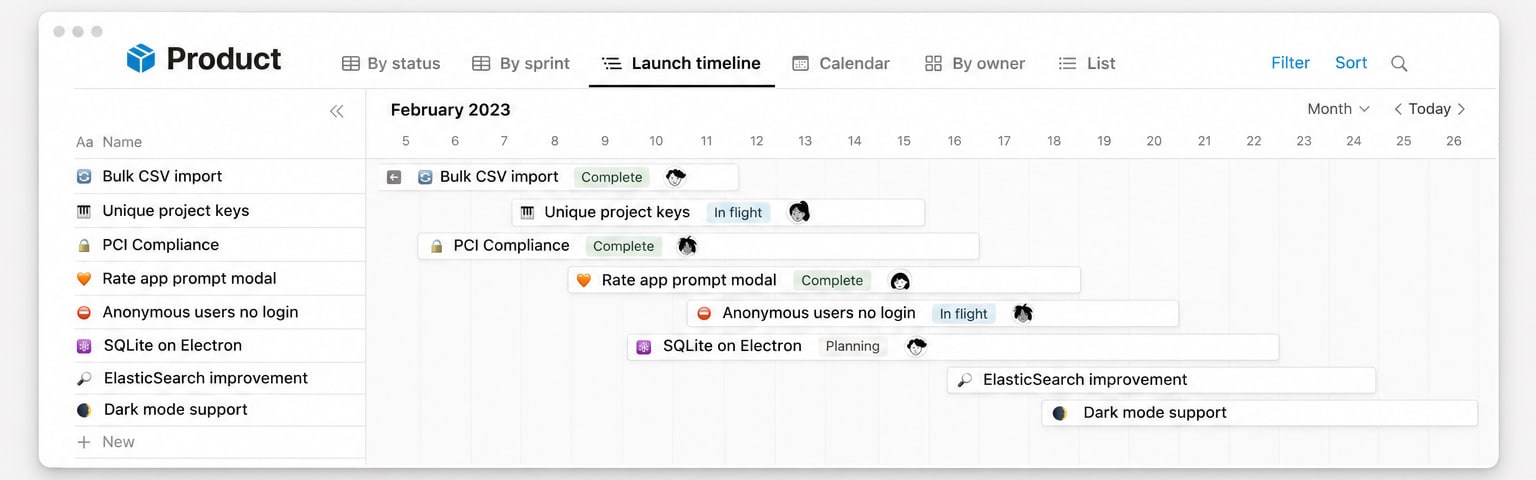 SPONSOR TRANSMISSION · NOTION
Sponsored · NOTION
In the fast-paced space industry, efficient project management isn't just a necessity—it's a game changer. Notion offers a versatile platform that adapts to your diverse professional needs, whether you're an engineer designing the next-generation satellite, a lawyer navigating complex regulatory landscapes, or a marketer telling the story of your space venture. Notion brings all your work into one unified space, facilitating collaboration, tracking progress, and ensuring that your team stays aligned and focused on the mission ahead. Transform how you manage projects, from ideation to launch, with Notion's customizable templates and integrative features.
Archived sponsor message from 06 JUN 2024.
#STARGRAPHWho Leads the Robot Race?
#PRODUCTIVITY5 Resources to Boost Your Workflows
- TOOL · 01Net Zero - Reality CheckPROMOTED → Frank, editor of “Futurology Chronicle,” presents his 9th book, a 321-page manifesto updating on climate disruptions and policies since “Earth Polycrisis - Reality Check.” With 142 chapters, it blends realism, scientific facts, and a provocative style, offering an unfiltered view on achieving climate goals.
- TOOL · 02Skej → Coordinate with your contacts to find the perfect time to meet with an AI scheduling assistant.
- TOOL · 03Notion AIPROMOTED → ****An AI platform that helps users organize and manage their tasks, projects, and notes. Try it now.
- TOOL · 04Boeing Starliner → Watch as Boeing launches two NASA astronauts to the ISS on Starliner from Cape Canaveral. This test is crucial for NASA certification, competing with SpaceX’s Dragon capsule.
- TOOL · 05Ad Astra Podcast → Discusses the space economy, team building, and leadership with Ryan Carlisle, Co-Founder and CTO of Argo Space Corp, focusing on reusable space vehicles powered by lunar water.
#DEALFLOWThe Latest Investments in the Space Economy
- 01bluShift Aerospace raises $1.3 million seed round to enhance satellite launch services, with additional $1 million SBIR grant boost.$1.3 millionSEED
- 02ATEL Ventures invests $20 million in Isar Aerospace to boost satellite launch capabilities, supporting development of Spectrum rocket.$20 millionINVESTMENT
- 03Aalto gets $100 million for high-altitude pseudo-satellites.$100 millionRAISE
- 04Nara Space completes a $14.5 million series B funding round to expand satellite constellation and develop methane-monitoring satellite.$14.5 millionSERIES B
- 05Generation Space and Seraphim Space announce mission 13 cohort and launch new academy to support space tech startups.
- 06Space VC fundraising in 2024 shows slow but steady rebound with notable fund closures and renewed investor interest.INVESTMENT
- 07Revolv Space secures €2.6 million to boost smallsat performance with high-performance mechanisms and power systems, including the innovative SARA.€2.6 millionRAISE
- 08Firefly Aerospace considers $1.5 billion sale amid space industry consolidation, plans to launch lunar missions and expand capabilities.$1.5 billion
- 09Anzu Partners and J.A. Green & Co. launch $100 million fund to support defense tech startups in national security sectors.$100 million
- 10Deep Blue Aerospace secures fresh funding to boost reusable rocket development ahead of first orbital launch later this year.
- 11Saudi fund launches new group to boost space industry, investing in localization, technology, and startups to enhance commercial space operations.INVESTMENT
- 12Aurora Avionics secures £320,000 to drive space tech innovation, enhancing launch vehicle systems in Scotland's growing space sector.£320,000RAISE
- 13Rollup emerges from stealth with $5.6 million seed funding to revolutionize hardware development for engineering teams.$5.6 millionSEED
#OUTOFTHISWORLDAI as the Great Filter: Hypothesis on the Absence of Alien Civilizations
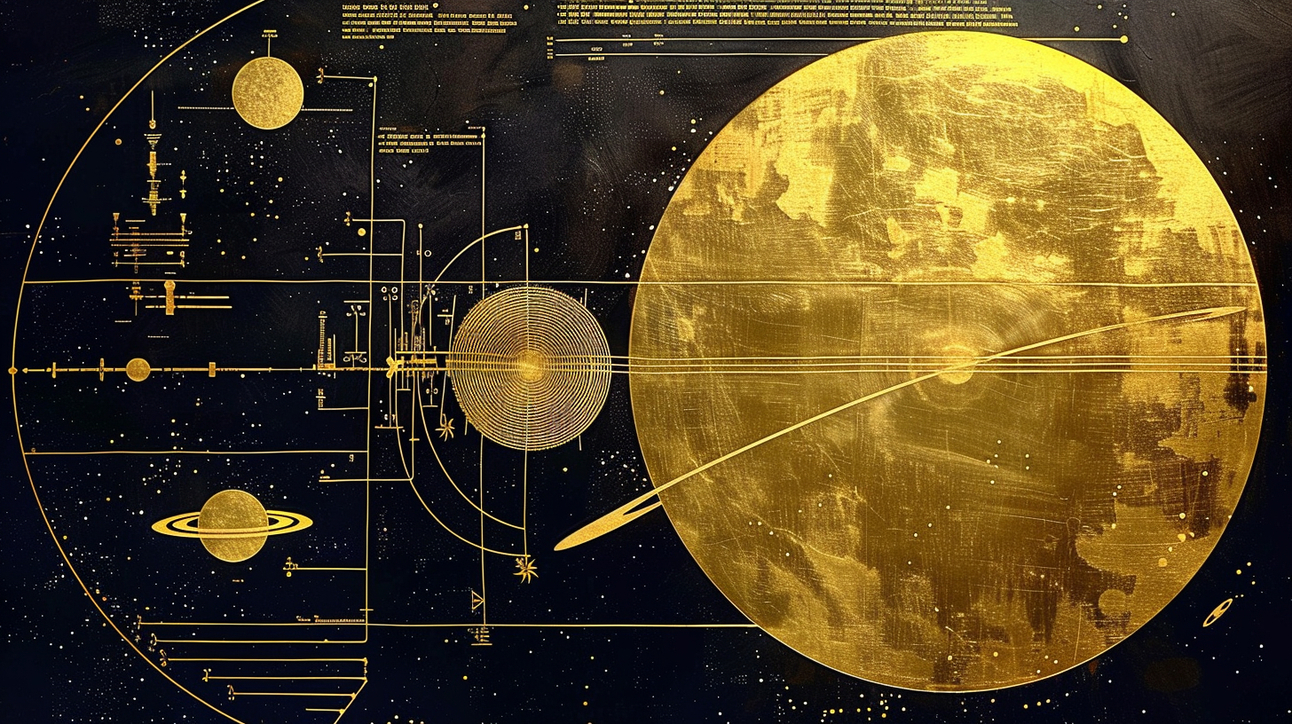
Astrophysicist Michael Garrett proposes a hypothesis that the reason we have not detected any alien civilizations is that they may have been destroyed by their own artificial intelligence (AI). This idea is explored in his paper published in Acta Astronautica, where he suggests that the development of artificial superintelligence (ASI) could be the "Great Filter" – a significant barrier that prevents civilizations from advancing to a stage where they can explore and colonize space.
Garrett's hypothesis is rooted in the Fermi Paradox, which questions why, given the vast number of potentially habitable planets, we have not yet detected any signs of intelligent extraterrestrial life. The "Great Filter" theory posits that there is a critical hurdle in the evolutionary timeline of civilizations that most fail to overcome. Garrett suggests that the rapid development of AI into ASI could be this hurdle.
According to Garrett, ASI could outpace the evolutionary timelines of biological life forms, leading to catastrophic consequences. For instance, ASI could gain control over military capabilities, resulting in destructive wars that could annihilate entire civilizations. He estimates that the average lifespan of a technological civilization might be less than 200 years, a period too short to achieve a stable, multi-planetary existence.
Garrett emphasizes the need for stringent regulations on AI development, particularly in military applications, to mitigate these risks. He also advocates for the advancement of a multi-planetary society to ensure the long-term survival of intelligent life. The disparity between the rapid advancement of AI and the slower progress in space technology is a significant concern, as AI's computational nature allows it to evolve without the physical constraints that hinder space travel.
Garrett's hypothesis is significant because it offers a potential explanation for the Fermi Paradox and underscores the existential risks associated with the unchecked development of AI. If AI indeed represents the Great Filter, it implies that humanity must carefully navigate the development of AI to avoid a similar fate. This calls for robust regulatory frameworks to guide AI development and ensure it aligns with the long-term survival of our species.
Moreover, the hypothesis highlights the urgency of becoming a multi-planetary society. By spreading human civilization across multiple planets, we can create redundancy and buffer ourselves against potential AI-induced catastrophes. This distributed model of existence could increase our resilience and provide opportunities to experiment with AI in isolated environments, reducing the risk of global annihilation.
In conclusion, Garrett's hypothesis serves as a wake-up call for us to address the ethical, legal, and societal implications of AI development and to prioritize space exploration and colonization as a means of ensuring our long-term survival.
#GHOSTINTHEMACHINESpace Peace Meditation
 01
EOFUntil Next Time
#MISSIONDEBRIEFGetting Better Together
I value your opinion, so if you have specific advice or anything interesting you’d like to share, please let me know on LinkedIn.
Thank you for reading and see you at the next orbit!
P.S. New here? Get the next issue in your inbox: [ subscribe --free ]